상온재 - 상가 주택
난방성능 4.0L
- 기간
- 2024
- 위치
- 서울시 송파구 거여동
- 용도
- 단독주택(다가구주택)
- 면적
- 136.27㎡
- 구조
- 철근 콘크리트조
- 규모
- 지상4층
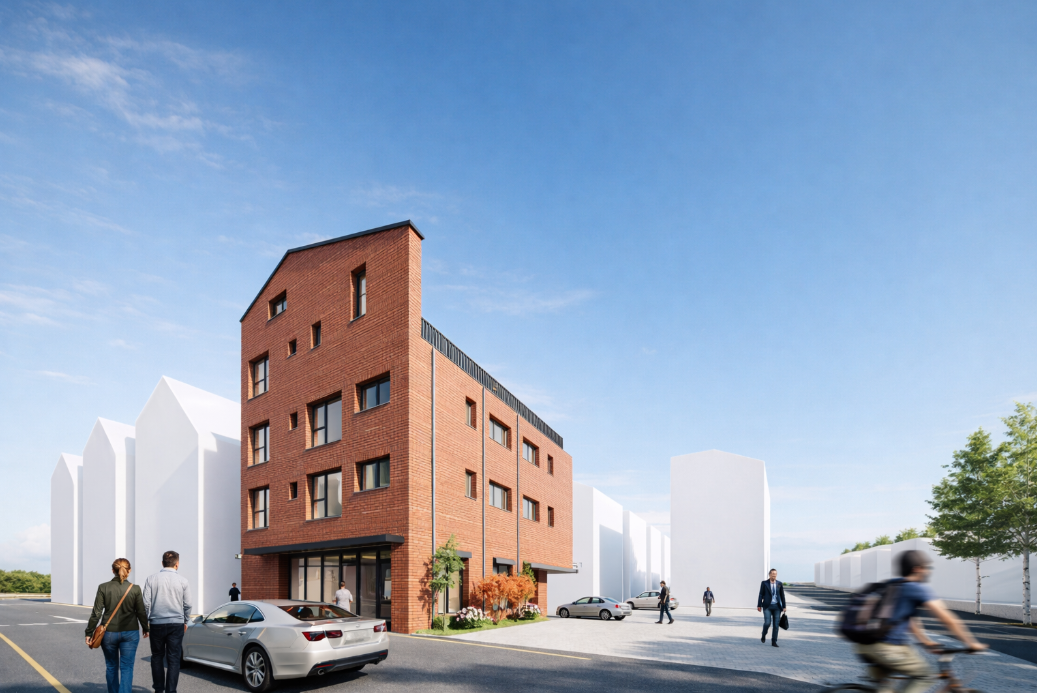

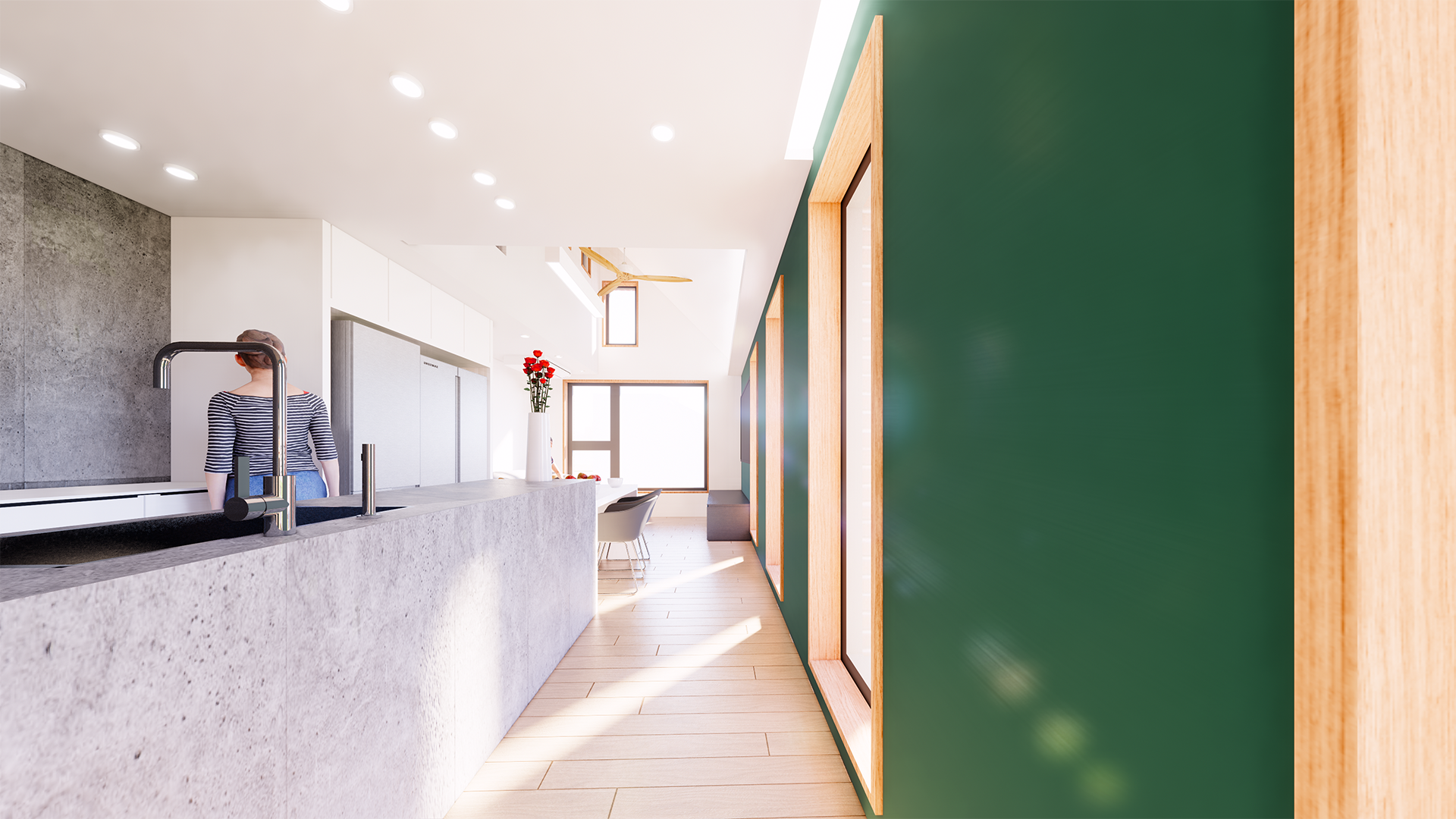

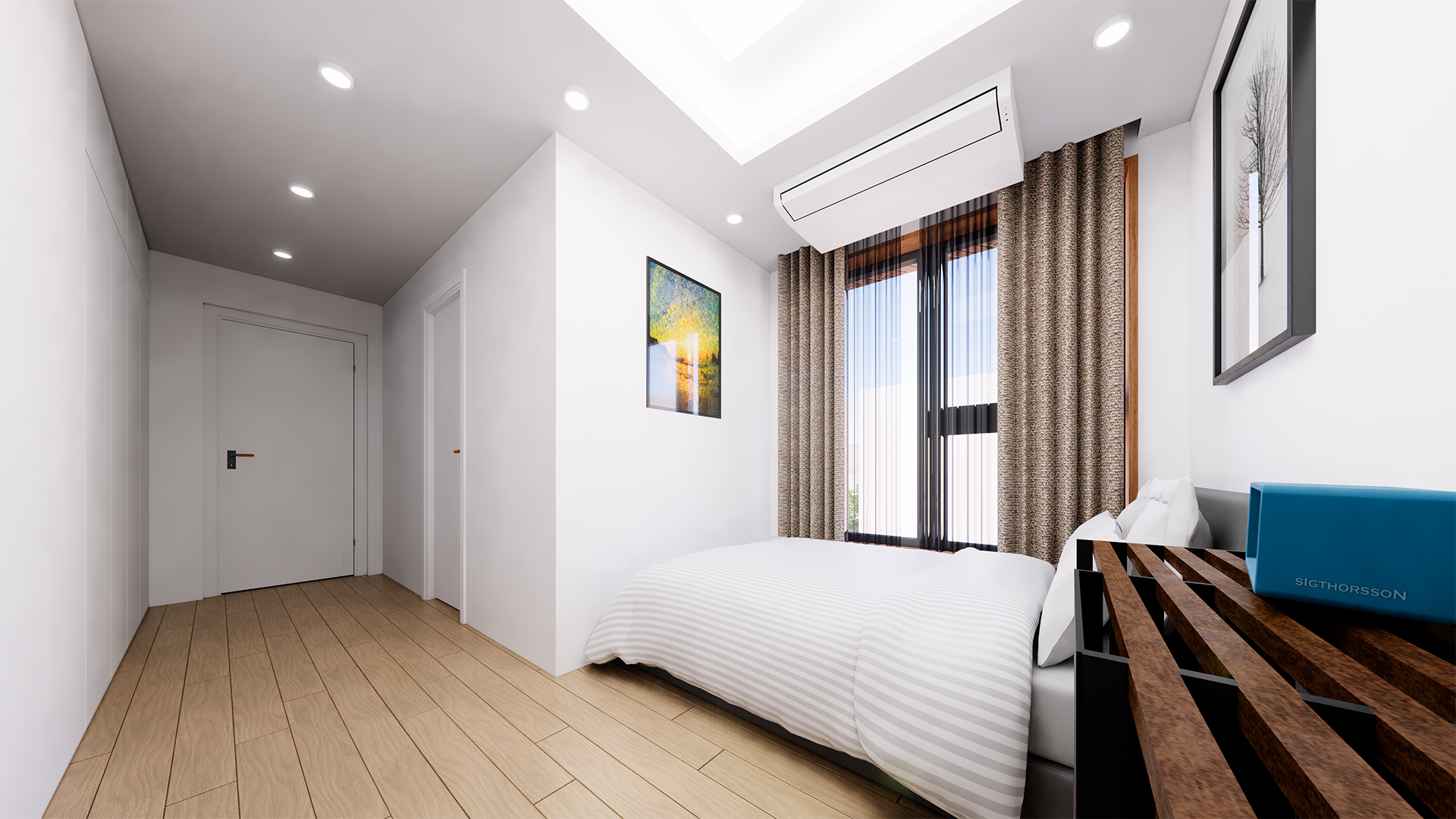
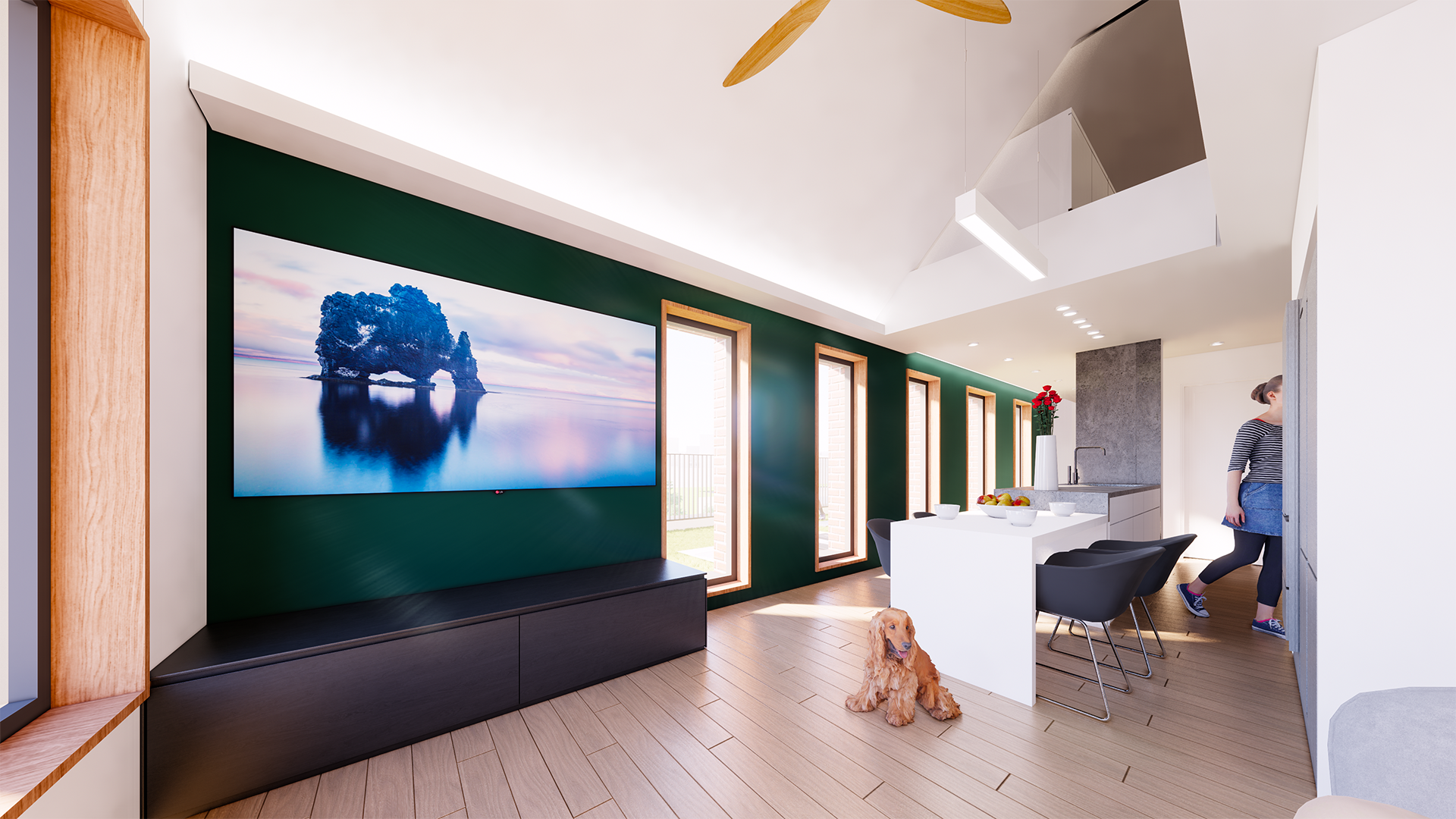


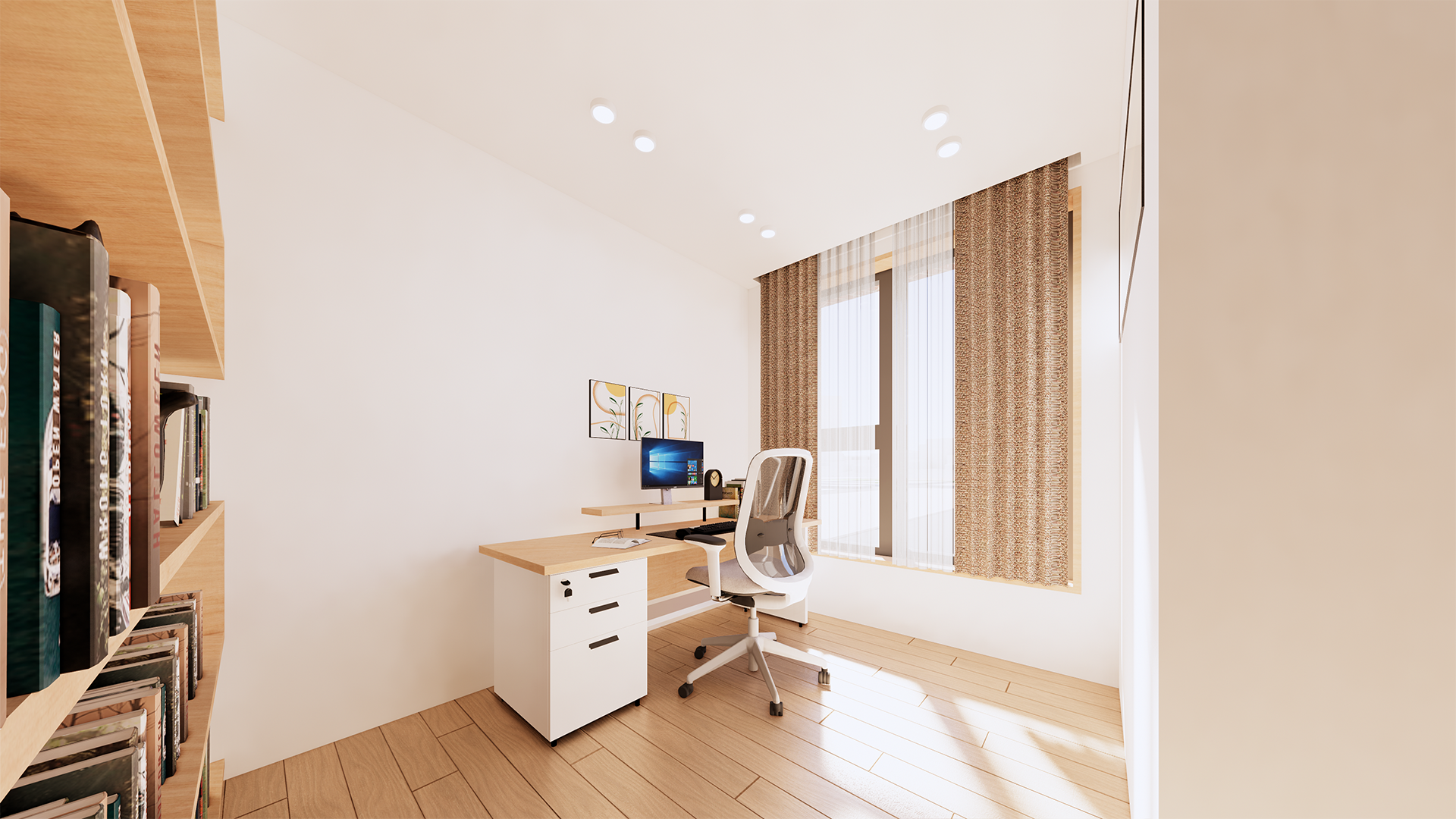
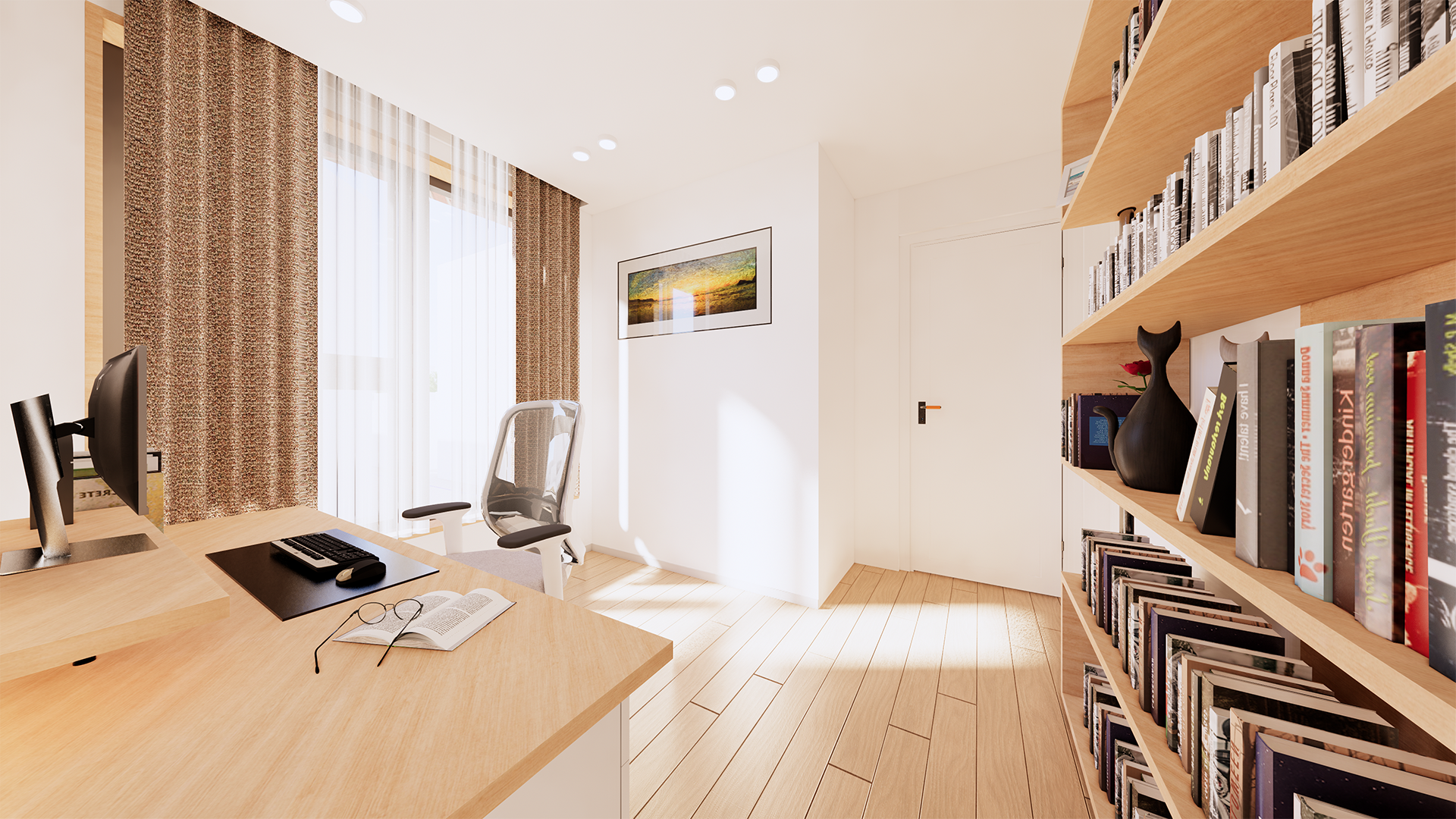
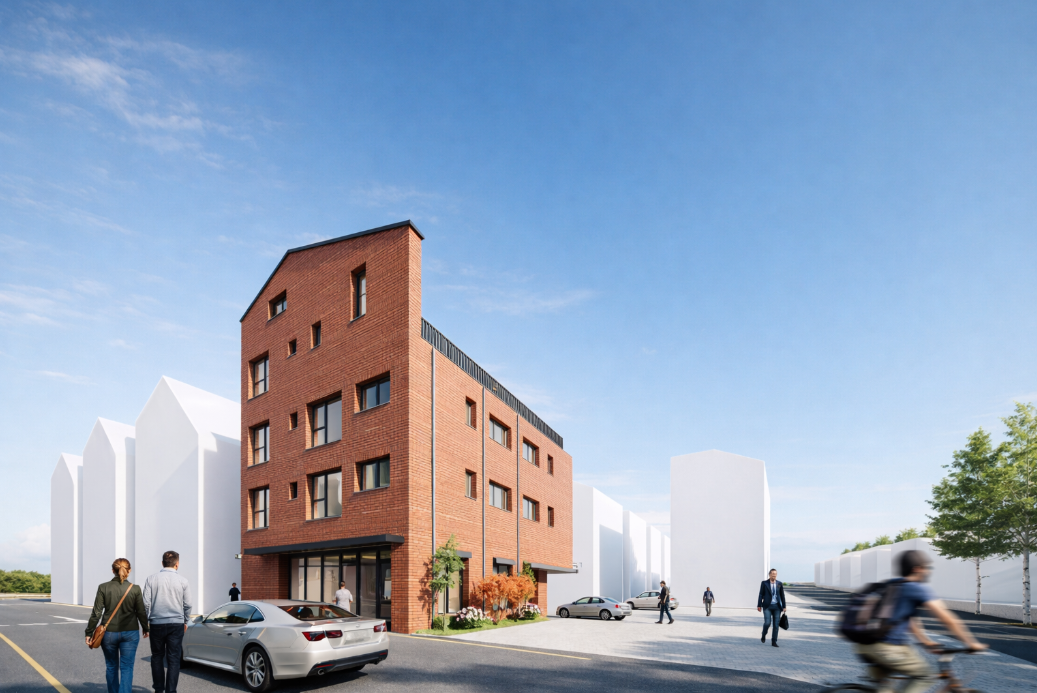
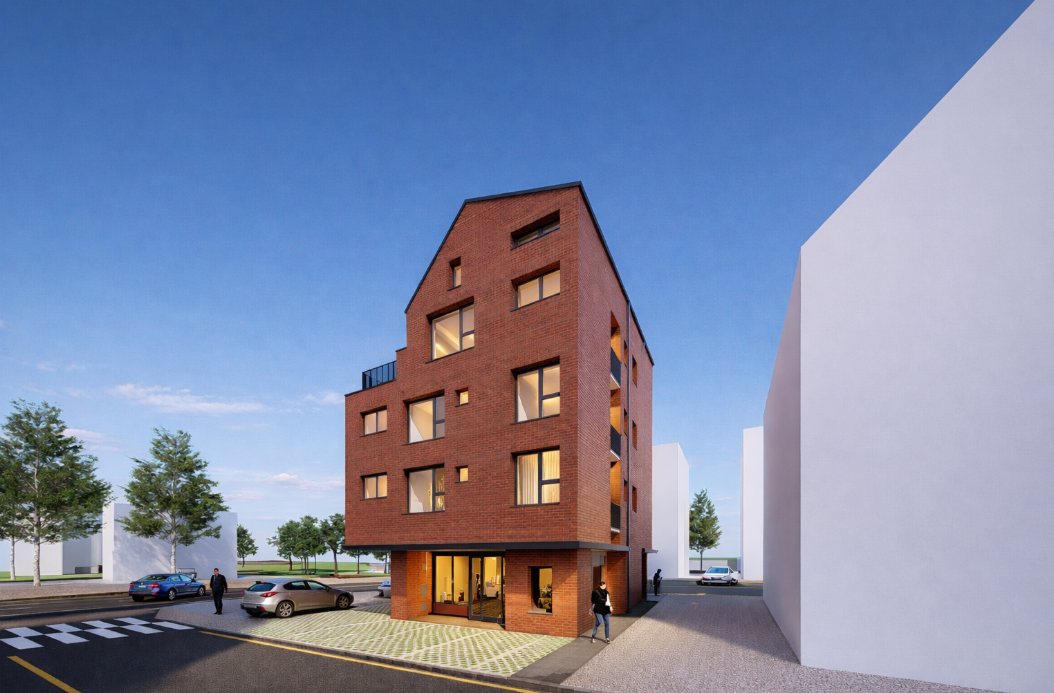
상온재(商溫齋)는 상업의 활력과 주거의 온기를 함께 담은 패시브 상가주택이다. ‘상(商)’은 도시의 흐름과 경제적 활동을 의미하고, ‘온(溫)’은 안정된 온열 환경과 삶의 따뜻함을 상징한다. 이 이름에는 상업 공간과 주거 공간의 기능적 분리, 그리고 패시브 설계를 통해 구현한 쾌적하고 안정된 실내 환경이라는 개념이 함께 담겨 있다.
상온재는 단순히 상가와 주택을 한 건물 안에 배치한 형태가 아니라, 각 용도의 특성과 사용자 경험을 면밀히 분석하여 조화로운 계획을 실현한 복합 주거 모델이다. 용도 구분에 따른 출입구 계획과 수직 동선 체계를 명확히 수립하여 상업 공간과 주거 공간의 접근 흐름을 분리하였고, 상업 공간은 외부와 직접적으로 연결되도록 계획하는 한편 주거 공간은 독립된 출입 동선을 확보하여 사생활 보호와 심리적 안정감을 동시에 고려하였다.
이러한 동선 전략은 상업 활동으로 인한 소음과 간섭을 최소화하고 거주자가 보다 안정된 환경에서 일상을 유지하도록 하는 공간적 장치다. 기능성과 효율성을 고려한 공간 구성 역시 중요한 설계 요소로 작용한다. 상업 공간과 주거 공간 모두에서 체류 만족도를 높이기 위해 주변 임대 세대보다 다소 높은 천장고를 확보하여 개방감과 공간 체적감을 강화하였고, 이는 사용자가 체감하는 공간의 질을 높이는 직접적인 요소로 작용한다. 또한 전열교환기 설치를 포함한 패시브 설계 기법을 적용하여 실내 공기질을 개선하고 열 손실을 최소화함으로써 에너지 소비를 절감하도록 계획하였다.
안정된 온열 환경은 단순한 에너지 절감의 문제가 아니라 거주자의 건강과 생활 만족도, 그리고 장기적인 임대 경쟁력과 직결되는 요소다. 외피 성능, 단열 및 기밀 계획, 환기 시스템을 종합적으로 고려한 설계를 통해 상업 공간과 주거 공간 모두에서 균형 잡힌 실내 환경을 제공하도록 하였으며, 이러한 성능 중심의 접근은 건물의 지속 가능성을 높이는 기반이 된다. 상온재는 기능성과 효율성, 환경 성능, 사용자 경험을 통합적으로 고려한 상가주택으로서 도시 속에서 안정적으로 작동하는 생활 인프라를 지향하며, 상업과 주거가 서로의 영역을 존중하면서도 하나의 건축 안에서 조화롭게 공존할 수 있음을 보여주는 지속 가능한 상가주택 모델이다.
Sangonjae (商溫齋) is a passive mixed-use building that embodies both commercial vitality and residential warmth. The character “Sang (商)” represents urban flow and economic activity, while “On (溫)” symbolizes thermal stability and the warmth of everyday life. The name encapsulates the functional separation of commercial and residential spaces, as well as the comfortable and stable indoor environment achieved through passive design strategies. Sangonjae is not simply a structure that stacks retail and housing within one building; it is a carefully integrated mixed-use model developed through close analysis of program characteristics and user experience. Clear entrance planning and a well-defined vertical circulation system were established according to functional distinctions, effectively separating the access flows of the commercial and residential areas. The commercial space connects directly to the street, while the residential zone maintains an independent entrance and circulation path, ensuring privacy and psychological stability for residents. This circulation strategy minimizes interference and noise from commercial activities, allowing residents to maintain a sense of calm and security in their daily lives. Spatial configuration was optimized with a strong emphasis on functionality and efficiency. Slightly higher ceiling heights than neighboring rental units were secured in both commercial and residential areas to enhance openness and spatial volume, thereby elevating the perceived quality of the environment. Passive design measures, including the installation of a heat recovery ventilation system, were implemented to improve indoor air quality and reduce energy loss. Thermal stability is not merely a matter of energy efficiency; it directly affects occupant health, comfort, and long-term rental competitiveness. By comprehensively addressing envelope performance, insulation, airtightness, and ventilation systems, the project achieves a balanced indoor environment in both commercial and residential spaces. Sangonjae represents a mixed-use architectural model that integrates functionality, efficiency, environmental performance, and user experience, demonstrating how commerce and dwelling can coexist harmoniously within a single architectural framework while contributing to sustainable urban living.